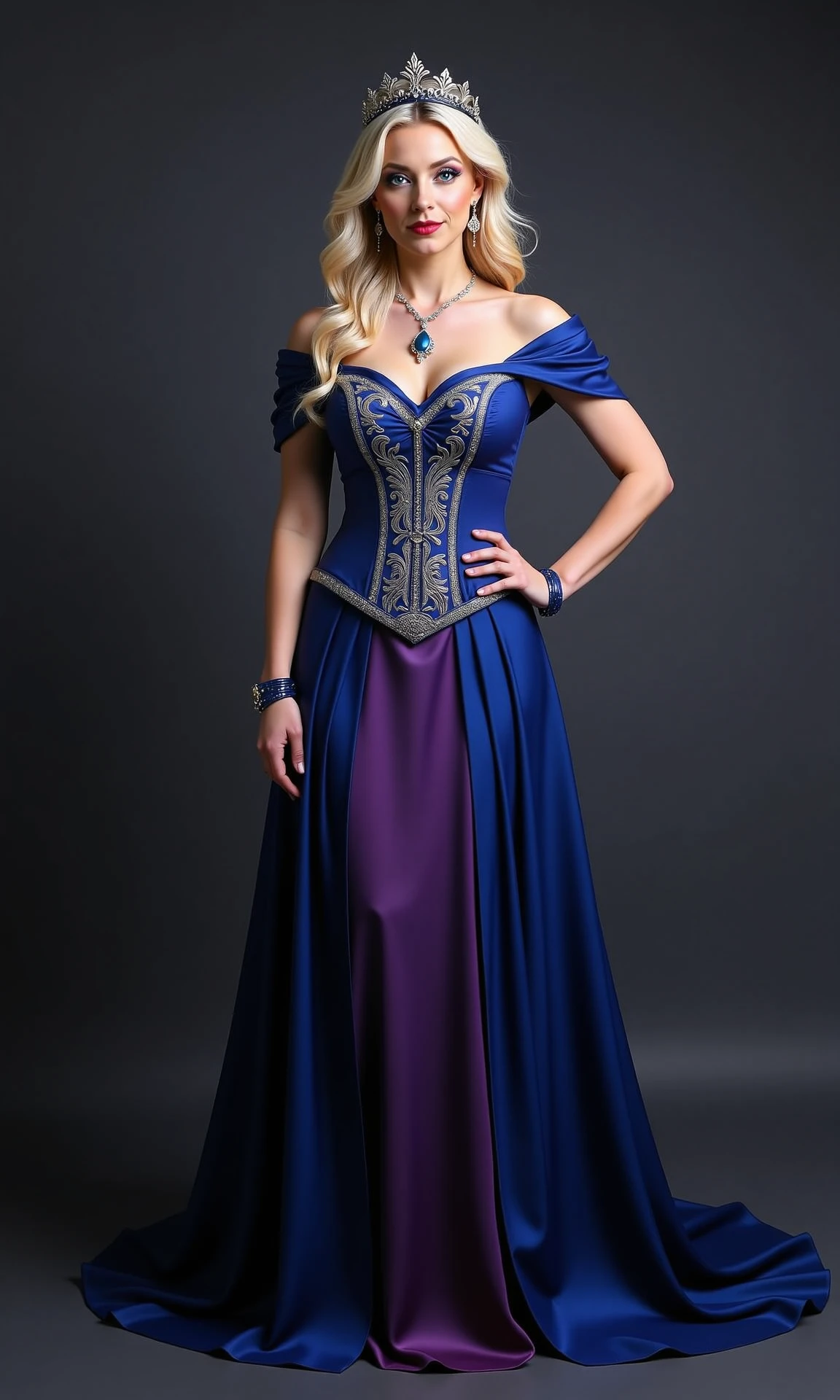
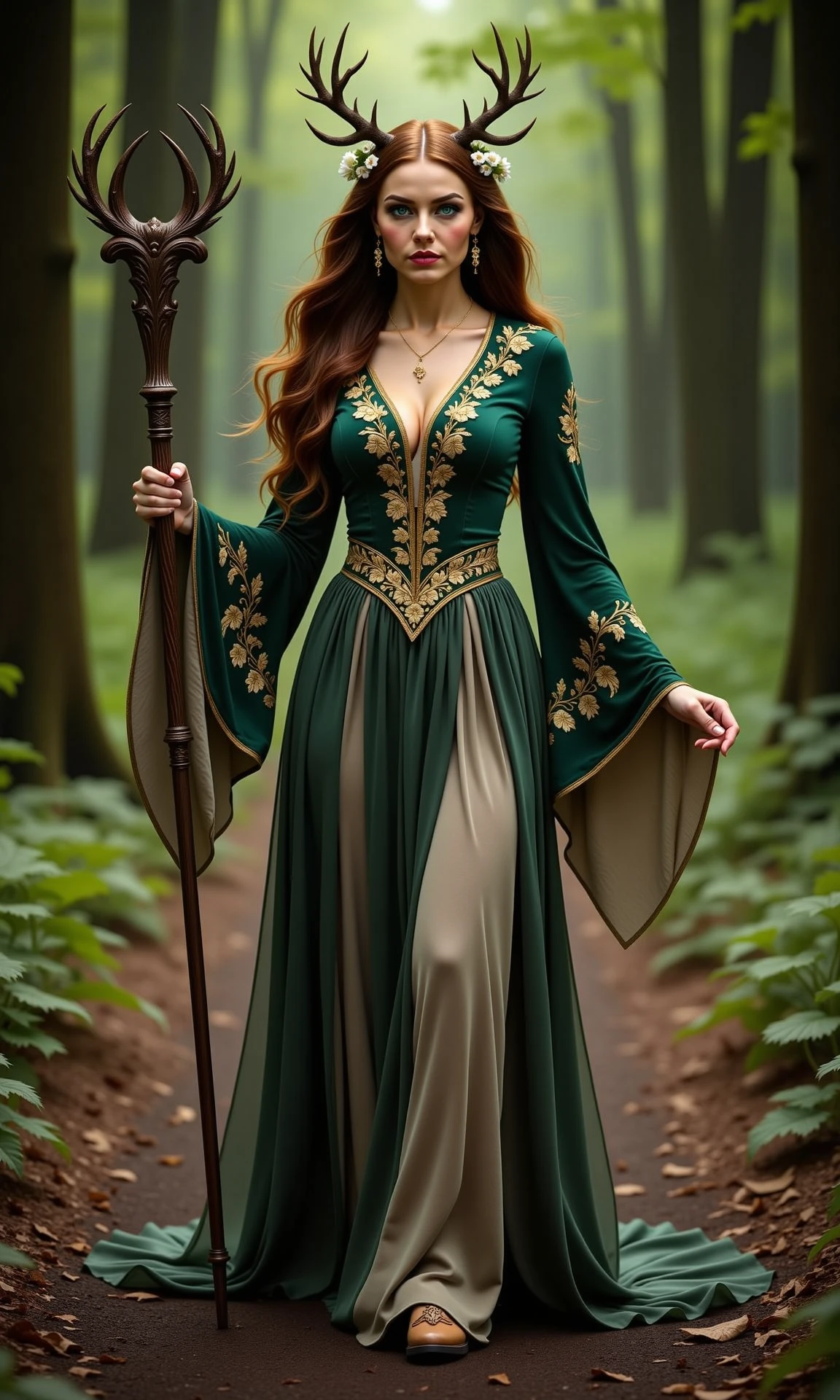
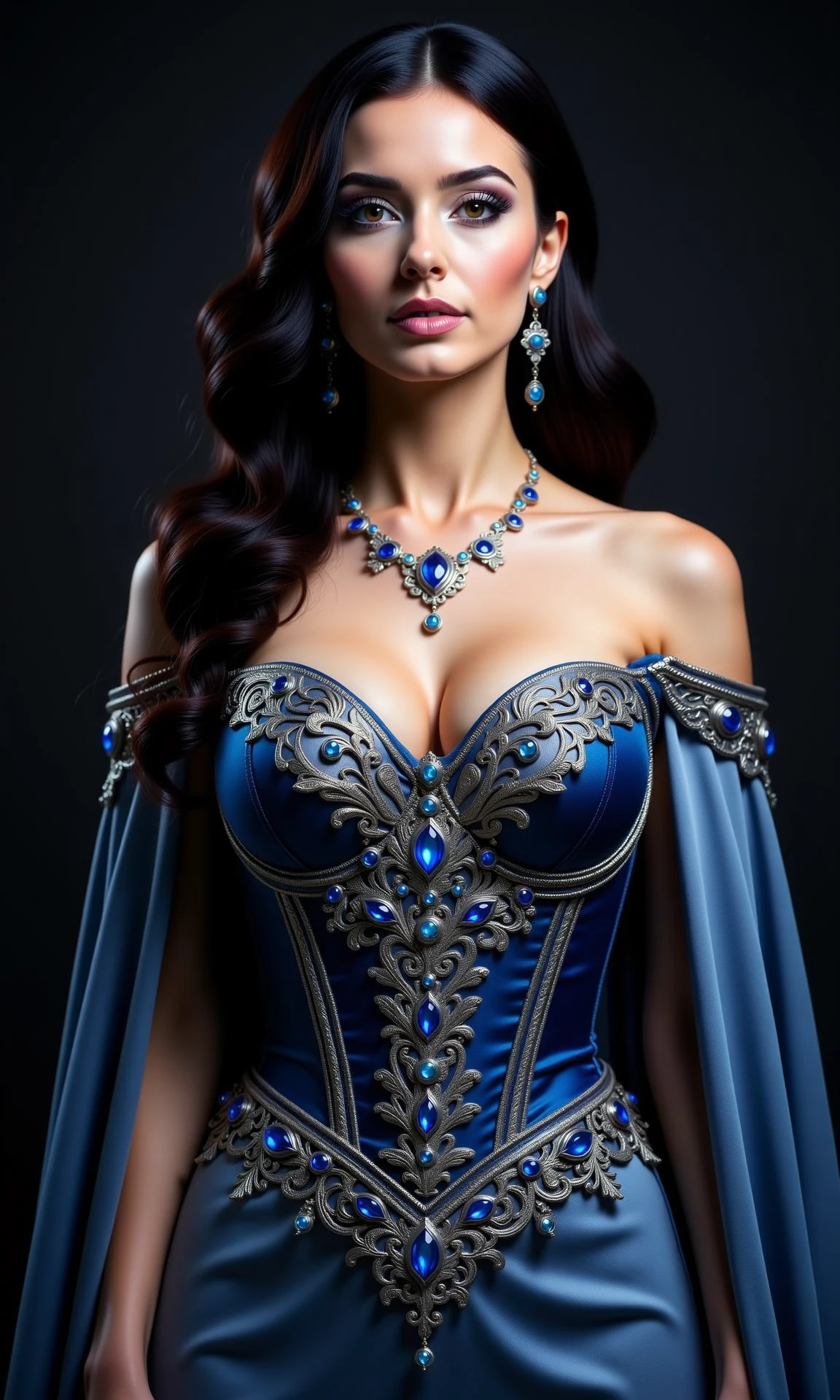
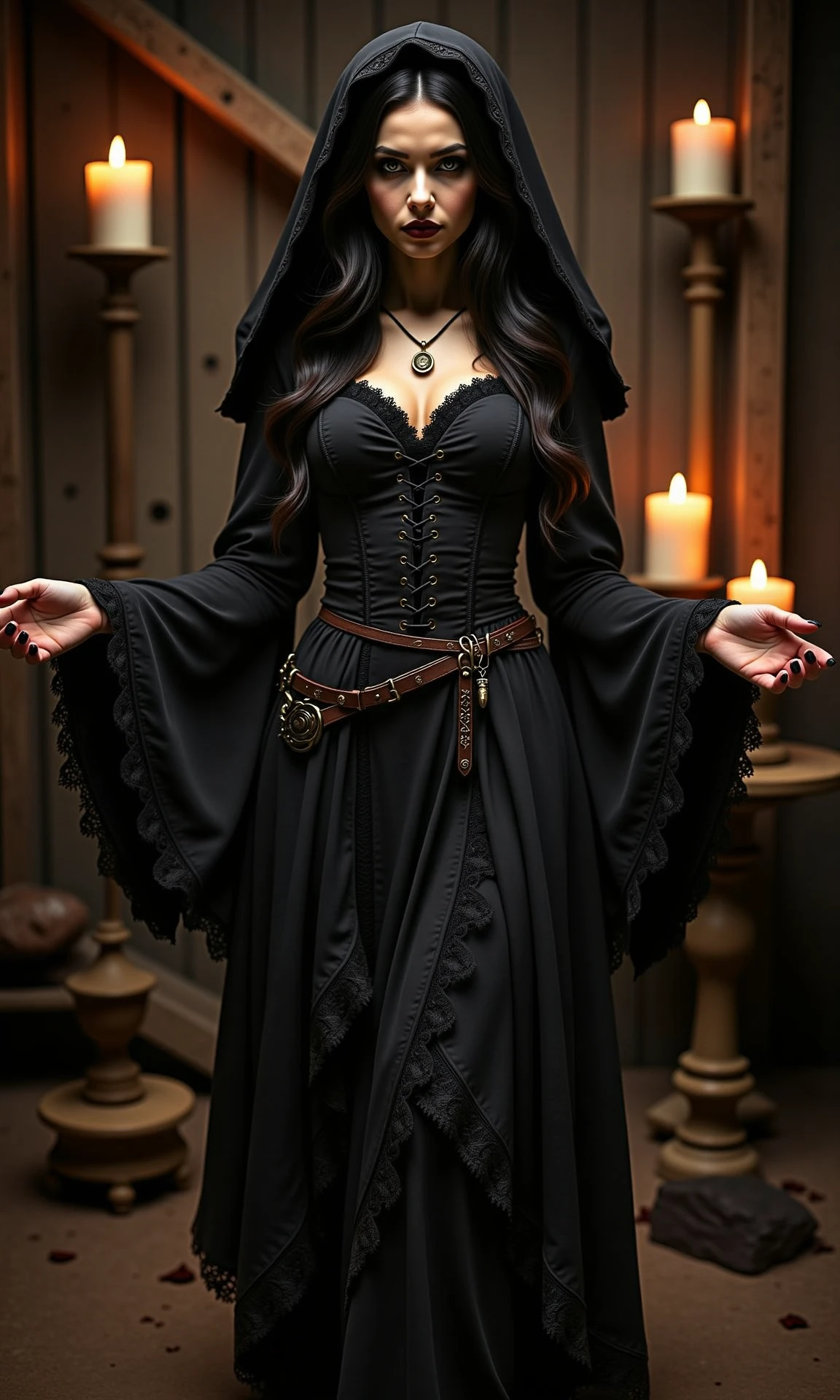
If you are using ChatGPT, Gemini, Claude and so on for your prompt generation, you can feed it with this paste so the model knows directly how to use the LoRA
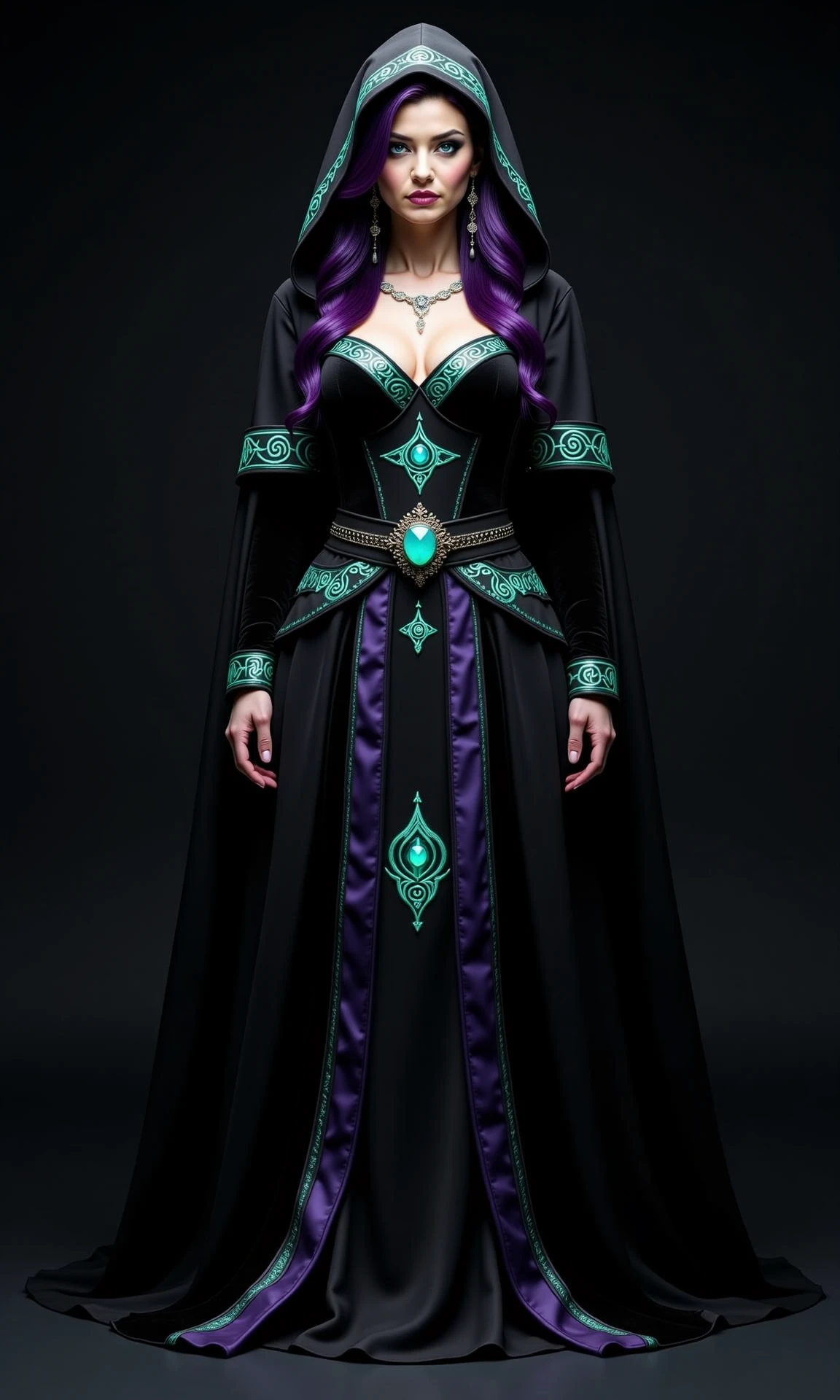
This LoRA captures a distinctive arcane fantasy couture style focused on magical garments, sorceress gowns, dark warlock raiment and ritual witch outfits. It was trained to apply fantasy fashion design language to a wide variety of female characters and concepts, with a strong focus on materials, silhouettes, ornamentation, corset structures, robes, cloaks, hoods, magical embroidery and dramatic couture styling.
It works particularly well for fantasy fashion editorials, dark magical characters, sorceress queens, villainous mage looks, occult witch styling, ritual garments, fantasy runway concepts and cinematic full-body portraits. The style can range from elegant and regal to dark, armored, ragged or occult depending on the chosen trigger and prompt details.
Trigger words:
- arcane_fantasy_couture
Global trigger. Use this for the general LoRA effect.
Optional subtriggers:
- sorceress_couture
For opulent magical gowns, colorful fantasy dresses, jeweled corset bodices, flowing sleeves, layered skirts, celestial gowns, runic embroidery, regal arcane dresses and armored sorceress couture.
- warlock_raiment
For dark magical fashion with black leather-like corsets, sharp silhouettes, armor-adjacent metal details, spiked shoulder pieces, thorn-like ornamentation, twisted branch motifs, glowing gemstones, crimson veining, hooded cloaks and villainous mage styling.
- witch_raiment
For dark witch garments, hooded cloaks, ragged robes, distressed matte fabrics, tattered hems, layered skirts, rope belts, bone ornaments, ritual jewelry, lace bell sleeves, pointed witch hats and occult forest-witch aesthetics.
The training set includes many different types of garments and arcane couture elements, for example:
opulent jewel-toned sorceress gowns
embroidered corset bodices with gemstone details
flowing layered skirts and dramatic cape-like fabric
off-shoulder sleeves, bell sleeves and sheer sleeve details
runic embroidery and magical ornamental patterns
armored sorceress gowns with shoulder guards and metal hip panels
chainmail hoods and ceremonial battle-sorceress styling
dark warlock corsets with leather-like surfaces
spiked pauldrons and sharp armor-adjacent silhouettes
thorn-like metalwork and twisted branch ornaments
glowing red or blue gemstones embedded into dark metal details
crimson veining and arcane crack patterns
hooded black cloaks and dark ceremonial robes
ragged witch dresses with frayed hems and distressed fabric
rope belts, charms, talismans and bone ornaments
classic pointed witch hats and occult ritual styling
The LoRA focuses on clothing, materials, silhouette language, surface details and fantasy fashion design, not on a specific character, face or identity.
Because of this, the style transfers well to many fantasy and fashion domains such as:
high fantasy fashion editorials
sorceress queens and magical royalty
dark villainess couture
occult priestess concepts
forest witch fashion
fantasy runway looks
cinematic RPG character portraits
gothic magical fashion
armored couture hybrids
ritual and ceremonial garments
This is not a "single outfit LoRA". It is designed to understand and transfer a broader magical fashion language: how robes fall, how corsets frame the body, how embroidered panels and gemstones decorate the garment, how dark metal details integrate into fabric, and how different fantasy outfit families can be controlled through subtriggers.
Recommended usage:
Use the global trigger together with one subtrigger for best control, for example:
arcane_fantasy_couture, sorceress_couture
arcane_fantasy_couture, warlock_raiment
arcane_fantasy_couture, witch_raiment
You can also use only arcane_fantasy_couture for a more general magical fashion effect.
Prompting tips:
For sorceress looks, describe colors, fabric volume, embroidery, jewels and gown structure clearly.
For warlock looks, describe whether you want more robe-like fabric or more armor-adjacent elements. If prompted loosely, this subtrigger may become very dark, sharp, armored and villainous.
For witch looks, describe the fabric condition clearly. Terms like tattered layered fabric, frayed hems, distressed matte cloth, hooded cloak, rope belt and bone ornaments help push the witch aesthetic.
The LoRA was trained on the default flux1-dev model for maximum compatibility.
Would love if you post your creations here with it.
Dataset and training data:
65 images (33 sorceress, 17 warlock, 15 witch)
5 steps per image
10 epochs
bucks with 1152px max size, no auto scaling
cosine scheduler with 0.2 warmup and 0.8 decay
Captioning was done with OpenAI
alpha == dim: 32
If you use it with other loras, for example a character lora, try to lower the weight - I had good results at around 0.4-0.5.
As always: I did not polish any of the images in the showcase, they all came out like this. I did 2 images per prompt and picked the better looking one.
Description
Details
Files
Available On (1 platform)
Same model published on other platforms. May have additional downloads or version variants.