






AfterDark for Krea 2, Z-Image Turbo & Flux.2 Klein
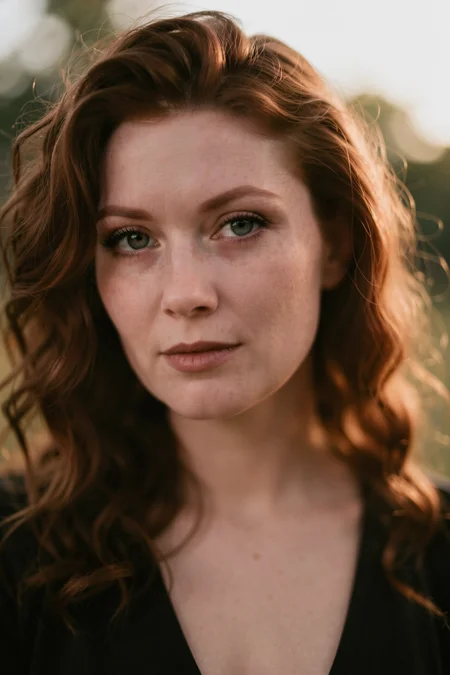
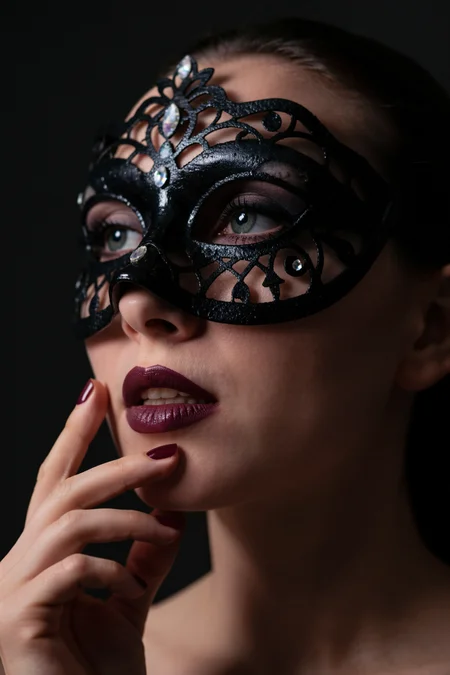
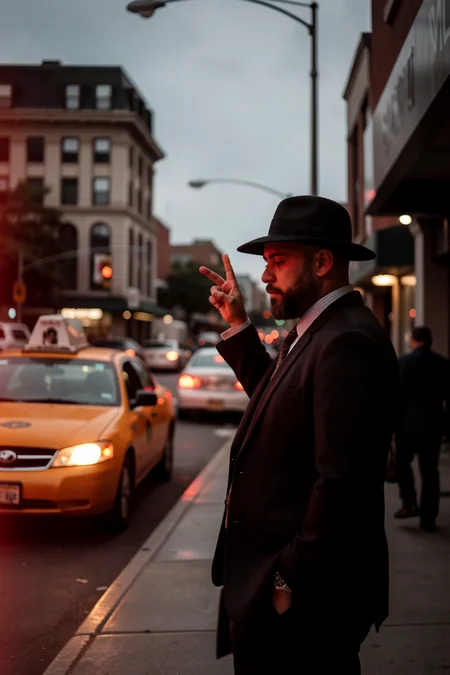
This LoRA enhances your images with more punch, contrast, depth of field, and lighting. It's been trained on a mixture of photographic content with a focus on low-key, film noir, and fashion photography. It makes things pop without destroying image quality (in fact, it often enhances quality).
Suggested Krea 2 Turbo Settings
Model strength: 0.5-0.9
Samplers/schedulers:
dpm_2_ancestral / ddim_uniform (or sgm_uniform)
exp_heun_2_x0 / ddim_uniform
euler / beta57 (or beta)
Suggested Z-Image Turbo Settings
Model strength: 0.3-0.8
Samplers/schedulers:
seeds_3 / beta
ddim / kl_optimal (or beta)
dpm_2_ancestral / sgm_uniform (or ddim_uniform)
Suggested Flux.2 Klein 9b Settings
Model strength: 0.3-1.2
Samplers:
res_multistep
sa_solver
seeds_3
er_sde
ddim
...and so many more
Distilled
Cfg Scale: 1-1.5
Steps: 8-10
Base
Cfg scale: 2.5-4
Steps: 40-55
This LoRA works with both Flux.2 Klein 9b base and distilled. I often use the distilled version because it generates images much faster and the quality is still really good.
v2 LoRA Technical Details
The Krea 2 Turbo LoRA ended up with a loss value of 0.09540. I took step 750, but did train to 1,500 steps and compared all of them. They all looked great so it wasn't an easy choice.
The Z-Image Turbo LoRA ended up with a loss value around 0.336 (this compares to v1 at around 0.71).
The Flux.2 Klein 9B LoRA ended up with a loss value of 0.5129 (5.129e-01). It was a "low and slow" train with a low learning rate (5.0e-05) over 6,000 steps. This was much longer than the Z-Image Turbo LoRA's training, but I think it was worthwhile. I might use a more powerful GPU next time (I used an A40 for this one).
A lot of training time went into these models followed by a lot of testing. I decided to keep the same model listing on Civitai simply because they were both trained from the exact same dataset (same images and captions). The training for the Klein version in ai-toolkit started off the same as the Z-Image one. I soon learned that wasn't going to work for Flux.2 Klein 9b so I adjusted the settings.
Version 2 is very stable for both base models. In fact I find that I don't often like the distilled version of Klein 9b without this LoRA. Images are generally too bright for my taste and while you could apply a LUT or do post processing work on the images, I simply prefer to use this LoRA because it does more than just lighting.
Description
I kept the same exact dataset to train a version of this LoRA for Flux.2 Klein. The training was very different from Z-Image Turbo. It was a very long train with a low learning rate. It was cooked low and slow. Things were good at step 4,000 but I wanted to see what would happen at 6,000. The loss at 6,000 ended up being 5.129e-01 which was lower than at step 4,000. This was after it spiked to 9.074e-01 at step 5,000. So this one was jumpy but there were some great checkpoints along the way and I settled on 6,000.
FAQ
Comments (5)
Would love to see a version of this trained on ZImage Base
I have a Z-Image version it was trained using the de-distilled version from Ostris. If it needs re-training on the new Z-Image Base model then I'll do so for sure. (Update: oh yea, it definitely needs it. Will get on it)
Sneak peek of a LoRA (LoKr) that works with the base model https://civitai.com/images/120092510 ... Not quite where I want it just yet, but it's training on the same dataset. This particular example really does a good job of showing the difference between the base model and the base model with the LoRA. Surprising to me the LoKr can also be used with the Z-Image Turbo model as well. I didn't expect that, I thought it was only going to work with the base model.
@HackAfterDark the preview looks great, excited to see the final product! I've been really impressed with the loras trained on ZImg Base. They work really well on Zimage Turbo!
@nonamezoname7621 Ok, you can give it a try! I'm calling it "experimental" though I've had good results with it, I'm still thinking about training another version. Your feedback would be helpful there, much appreciated.