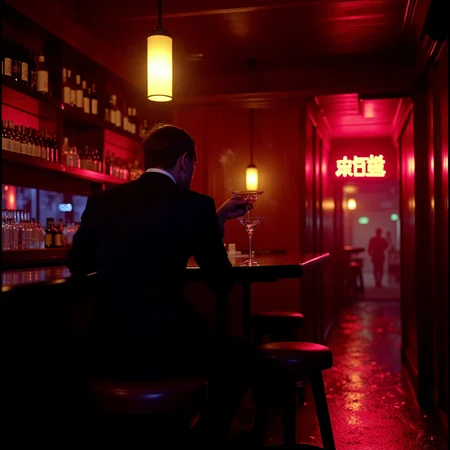
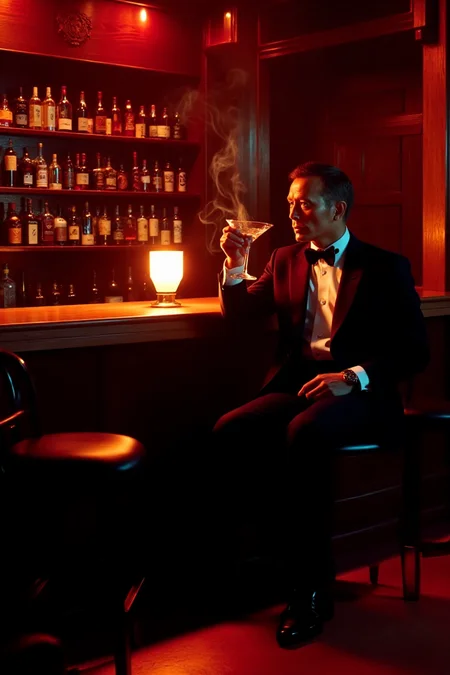
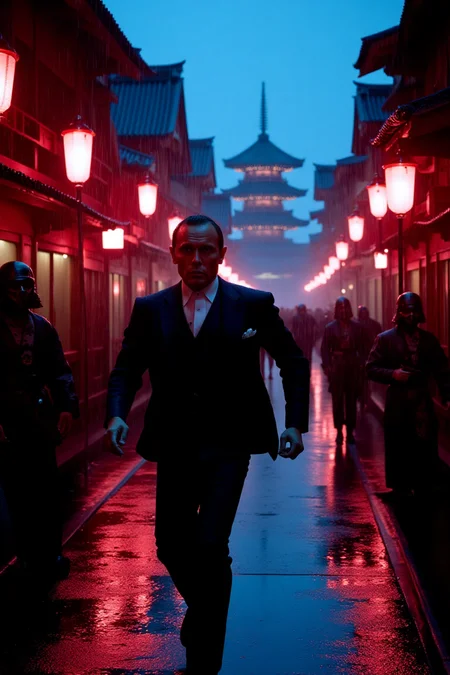
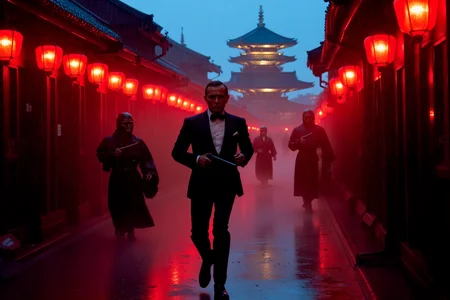

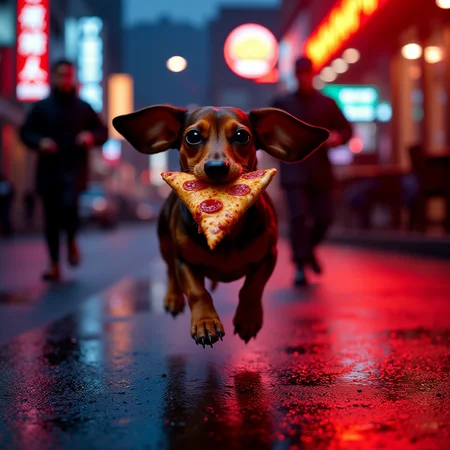
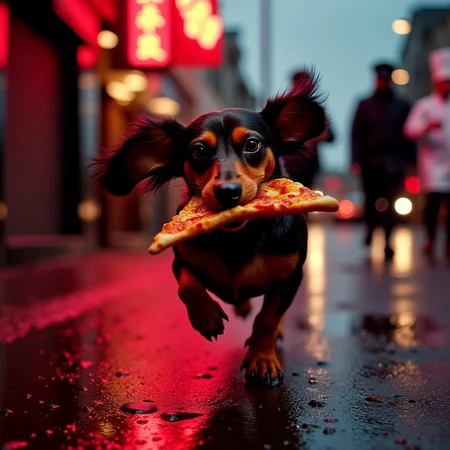
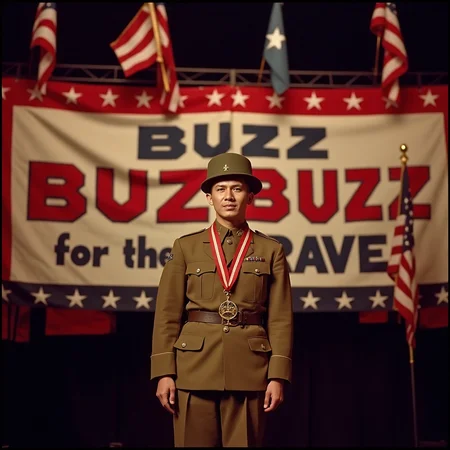
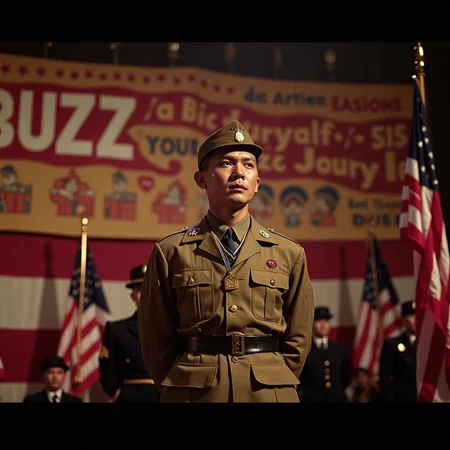
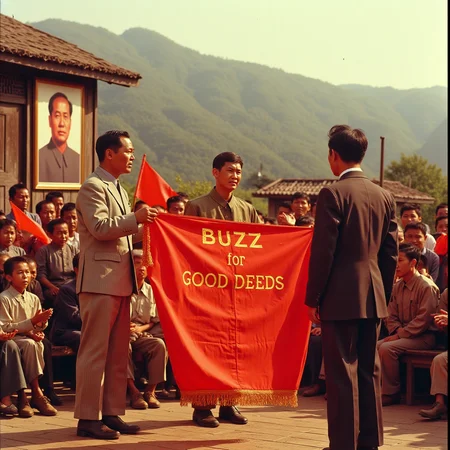
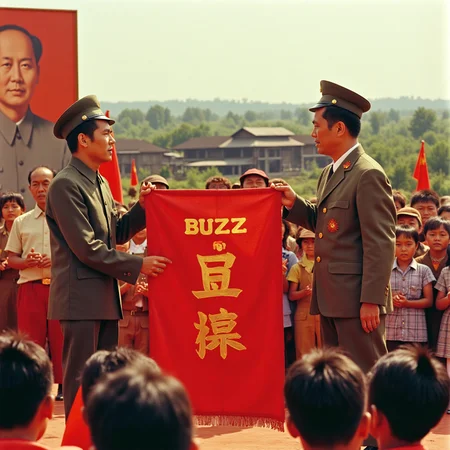
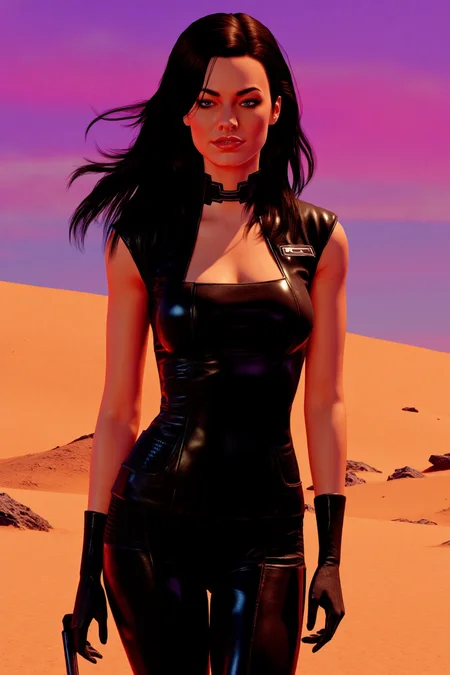
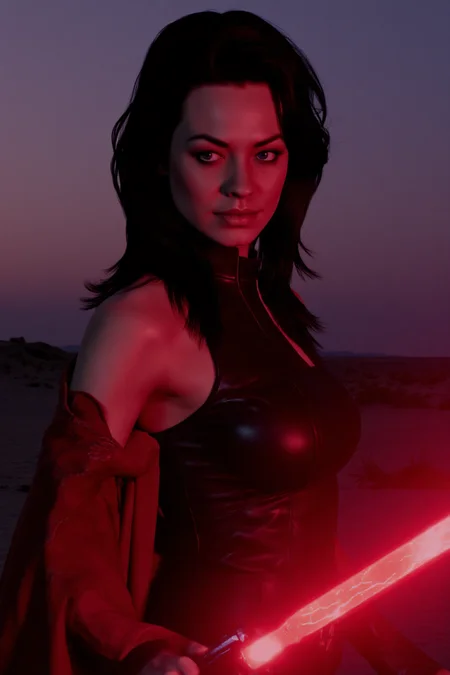
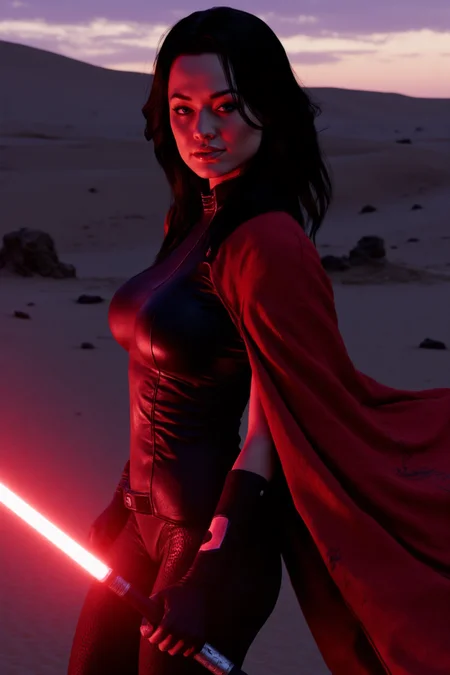
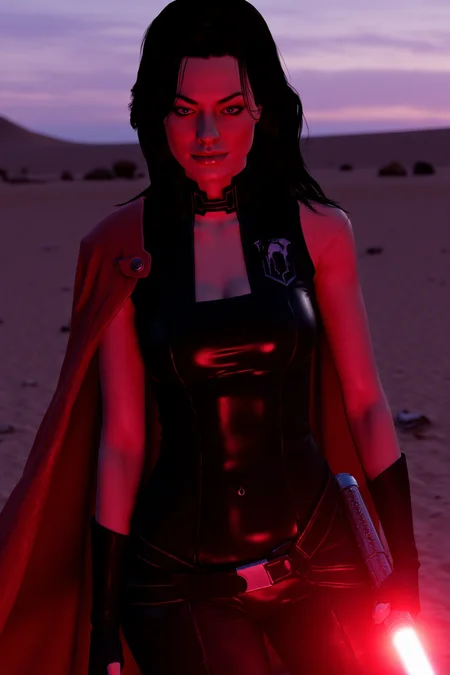
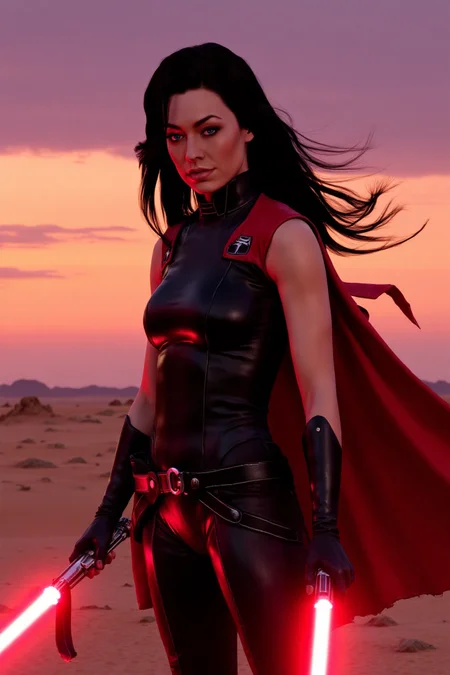
This LoRA aims to pay an homage to the color visual style of legendary Japanese filmmaker Akira Kurosawa.
The LoRA is trained using 30 screengrabs and publicly available pictures from his 4 works in color: Dodes'ka-den (1970), Kagemusha (1980), Ran (1985), and Dreams (1990).
(Note: It it works well, I will try to go with a training dataset of 60 pics & 2,000+ steps, in a subsequent version)
Let's quickly go through the key technical and stylistic elements of Kurosawa's visual style, that this LoRA aims to replicate.
The Key Points:
Color as Emotion & Symbolism (not realism).
Composition = Painting in Motion (deep focus, symmetry, negative space).
Lighting = Drama (high contrast, silhouettes, natural light).
Camera = Controlled Chaos (telephoto compression, slow zooms, dynamic battles).
Movement = Theatrical & Precise (blocking resembles Nō or Kabuki).
1. Bold, Symbolic Use of Color:
Primary & Contrasting Colors: Kurosawa often used vivid, almost theatrical color palettes—deep reds, blues, and yellows—to evoke emotion and symbolism.
Monochromatic vs. Bursts of Color: Some scenes are deliberately muted, making sudden color contrasts more striking (e.g., the golden fields in Kagemusha vs. the dark battlefield).
Natural Elements as Color Accents: Fire, blood, and sky are often intensified (e.g., the burning castle in Ran against a bleak gray landscape).
2. Painterly Composition & Framing
Influence of Japanese Art: Kurosawa’s frames often resemble ukiyo-e (woodblock prints) or Nō theater staging, with deliberate symmetry and negative space.
Dreams (1990): The "Sunshine Through the Rain" segment mimics traditional Japanese landscape paintings.
Deep Focus & Layered Shots: Characters are often positioned at different depths, creating a tableau-like effect (e.g., the battlefield scenes in Ran).
Static vs. Dynamic Framing: Some scenes are highly composed and static, while others (like battle sequences) use fluid tracking shots.
3. Lighting & Mood
High-Contrast Lighting: Kurosawa used strong chiaroscuro (light/shadow contrast), even in color films, to heighten drama.
Backlighting & Silhouettes: Many scenes feature dramatic backlighting, creating silhouettes (e.g., the final shot of Ran with the blind Tsurumaru against the sky).
Natural Light for Realism: In Dodes'ka-den, harsh sunlight emphasizes the poverty-stricken setting.
4. Camera Movement & Positioning
Telephoto Lenses for Flatness: Kurosawa often used long lenses to compress space, making crowds and battles feel chaotic yet visually controlled (Ran’s battle scenes).
Slow Zooms & Pans: Many scenes feature deliberate, slow camera movements, building tension (e.g., the slow zoom into Lady Kaede’s face in Ran).
Low-Angle Shots for Grandeur: Frequently used to emphasize power (e.g., the warlords in Ran) or isolation (e.g., the fool in Kagemusha).
5. Stylized Movement & Blocking
Choreographed Motion: Actors move in precise, almost theatrical ways (e.g., the slow procession of soldiers in Kagemusha).
Freeze Frames & Tableaux: Some shots hold on a still, painterly composition (e.g., the final shot of Ran).
6. Weather & Nature as Visual Motifs
Wind, Rain, and Fog: Used to amplify emotion and chaos (e.g., the storm before the battle in Ran).
Surreal Landscapes: Dreams features hyper-stylized nature (e.g., the Van Gogh-inspired fields).
7. Costume & Production Design as Visual Storytelling
Exaggerated Costumes: Armor in Ran and Kagemusha is highly stylized, almost like moving sculptures.
Artificial Sets: Dodes'ka-den’s slum is deliberately theatrical and unreal, enhancing its dreamlike quality.
Description
This is the first version, so might fall a bit short on expectations. Try to play with weights. In the sample images, I tried to use weight of more than 1.0. In addition, I tried to keep the prompt more detailed than usual w.r.t the visual style.
FAQ
Looks like we don't have an active mirror for this file right now.
CivArchive is a community-maintained index — we catalog mirrors that volunteers upload to HuggingFace, torrents, and other public hosts. Looks like no one has uploaded a copy of this file yet.
Some files do get recovered over time through contributions. If you're looking for this one, feel free to ask in Discord, or help preserve it if you have a copy.